Fordham DOL Doctors: Understanding Your Medical Rights

You’re sitting in that familiar waiting room chair – you know the one, with the scratchy fabric that somehow manages to be both too soft and too firm at the same time. Your back’s been killing you for weeks now, and every morning feels like you’re auditioning for a role in a zombie movie as you shuffle to the coffee maker. The workers’ comp claim should be straightforward, right? You got hurt at work, you need medical care, end of story.
But then your employer’s insurance company starts playing games. “We need you to see our doctor,” they say. “It’s just protocol.” What they don’t mention is that their doctor might have about as much interest in getting you back to full health as a vampire has in garlic bread.
Here’s the thing that nobody really explains when you’re dealing with a work injury – and trust me, I’ve seen this play out more times than I can count – you actually have rights when it comes to your medical care. Real, enforceable rights that can make the difference between getting the treatment you need and getting shuffled through a system designed more for cost-cutting than healing.
Enter the world of Fordham DOL doctors.
Now, before your eyes glaze over thinking this is some bureaucratic alphabet soup (DOL stands for Department of Labor, by the way), stick with me. This is actually about something pretty revolutionary in the workers’ comp world – your right to see an independent medical examiner when things get messy with your treatment.
Think of it this way: if you’re buying a house, you wouldn’t just trust the seller’s home inspector to tell you about that suspicious crack in the foundation, would you? Same principle applies here. When there’s a dispute about your medical care – whether you need surgery, how long you should be off work, or what your permanent restrictions might be – you shouldn’t have to rely solely on doctors who are essentially on your employer’s payroll.
The Fordham case… well, it changed everything. Actually, let me back up a second – I keep calling it the “Fordham case,” but you might know it by its full name: Fordham University v. Brown. It’s one of those landmark decisions that sounds boring as dishwater but actually packs a serious punch for injured workers. This ruling basically said, “Hey, workers deserve fair and impartial medical evaluations,” and created a pathway for truly independent medical exams.
But here’s what gets me fired up about this whole thing – most people have no clue these rights exist. They’re out there navigating the workers’ comp system feeling powerless, accepting whatever doctor they’re sent to, not realizing they might have options. It’s like having a secret weapon in your back pocket that nobody told you about.
And let’s be honest – dealing with a work injury is stressful enough without feeling like you’re at the mercy of a system that doesn’t seem to have your best interests at heart. You’re already worried about how you’re going to pay the bills if you can’t work. You’re dealing with pain, maybe feeling frustrated that your body isn’t cooperating the way it used to. The last thing you need is to feel like you’re fighting an uphill battle just to get decent medical care.
That’s where understanding Fordham DOL doctors becomes crucial. These aren’t just any medical examiners – they’re part of a specific system designed to provide genuinely independent medical opinions when there’s a dispute about your workers’ comp case. They can be the difference between getting stuck in medical limbo and actually moving forward with your treatment and recovery.
In the next sections, we’re going to break down exactly what Fordham DOL doctors are, when you might need one, and – this is important – how to actually access this right. We’ll talk about what to expect during these exams, how they differ from other medical evaluations you might encounter, and what happens with their findings.
Because here’s the bottom line: you deserve medical care that’s focused on getting you better, not just getting you off someone’s books. And sometimes, knowing your rights is the first step toward actually getting that care.
What Does DOL Even Stand For? (And Why Should You Care?)
DOL stands for Department of Labor – think of it as the federal watchdog that makes sure workers don’t get trampled on when they’re hurt on the job. It’s like having a really persistent older sibling who won’t let the playground bullies push you around, except the bullies are sometimes your employer and their insurance company.
Now, here’s where it gets interesting… The DOL oversees something called the Federal Employees’ Compensation Act (FECA), which is basically a safety net for federal workers who get injured. But – and this is important – it’s not just about getting your medical bills paid. It’s about having the right to choose doctors who actually understand this whole complicated system.
The Doctor Dilemma (It’s More Complicated Than You Think)
You might be wondering: “Can’t I just see any doctor?” Well… sort of. But not really.
Here’s the thing – and this trips up a lot of people – there’s a difference between doctors who *can* treat you and doctors who *should* treat you when you’re dealing with a work injury. It’s like the difference between someone who can technically change your car’s transmission and someone who specializes in transmissions. Both might get the job done, but one probably won’t leave you stranded on the highway.
DOL doctors (or FECA doctors, if you want to get technical) are physicians who’ve specifically agreed to work within the federal workers’ compensation system. They understand the paperwork, the reporting requirements, and – this is crucial – they know how to document your condition in ways that protect your benefits.
Your Rights Aren’t Just Suggestions
This is where things get a bit… well, legally messy. But stick with me.
You have the right to choose your own physician for treatment – within reason. The DOL can’t just assign you to Dr. Random and call it a day. But (there’s always a “but,” isn’t there?) your choice has to be what they call “reasonable.”
Think of it like this: if you live in Manhattan and want to see a specialist in rural Montana for your back injury, that might raise some eyebrows. But if you want to see Dr. Smith across town instead of Dr. Jones down the street? That’s usually your call.
The Second Opinion Maze
Here’s something that catches people off guard – sometimes the DOL will require you to get a second opinion. It’s not because they don’t trust your doctor (okay, sometimes it is), but because they need to make sure everyone’s on the same page about your condition and treatment needs.
Actually, that reminds me of something important… These second opinion exams aren’t just casual consultations. They’re called “second opinion examinations” or sometimes “referee examinations,” and they carry real weight in determining your benefits. The doctor conducting this exam becomes like a tie-breaker in a game where the stakes are your health coverage and wage replacement.
The Fordham Connection (Why Location Matters More Than You’d Think)
Now, why are we talking specifically about Fordham? Geography actually plays a bigger role in all this than you might expect.
If you’re in the Fordham area – whether you work at one of the federal facilities nearby or you’re dealing with an injury that happened elsewhere – the doctors you choose need to be accessible not just to you, but to the DOL’s processes. That means they need to be able to communicate effectively with claims examiners, submit reports in the right format, and… well, basically speak the same bureaucratic language.
It’s like having a translator who not only knows both languages but also understands the cultural nuances. Your regular family doctor might be amazing at treating your condition, but if they’ve never dealt with FECA paperwork before, both of you might end up frustrated.
The Fine Print (Because There’s Always Fine Print)
Here’s what most people don’t realize until they’re already in the thick of it: your medical rights under DOL aren’t just about getting treatment. They’re about getting treatment that’s properly documented, reported, and coordinated with your benefits.
Miss a step in this process – say, your doctor doesn’t submit the right form at the right time – and suddenly you’re fighting to get treatments approved that should have been routine. It’s exhausting, honestly, and completely avoidable if you understand the system from the start.
Know Your Rights Before You Walk In
Here’s something most people don’t realize – you actually have more power in that doctor’s office than you think. The Department of Labor (DOL) has specific requirements for approved physicians, and knowing these can be your secret weapon.
First off, you’re entitled to a complete explanation of your diagnosis and treatment plan. Not medical jargon that sounds like it was translated through Google Translate three times… actual English. If your Fordham DOL doctor starts throwing around terms you don’t understand, stop them right there. Say something like, “Can you explain that in terms my neighbor would understand?” They’re legally required to provide clear information.
You also have the right to request your complete medical file – and here’s the kicker – they have to give it to you within 30 days. Most patients never ask for this, but it’s incredibly valuable. Sometimes what you think the doctor said and what they actually documented are two different things entirely.
Getting Second Opinions (And Why You Should)
The DOL system actually encourages second opinions, though many patients feel like they’re being disloyal somehow. Trust me on this – getting another perspective isn’t insulting your current doctor, it’s protecting your future.
You can request a second opinion from another DOL-approved physician, and your employer’s workers’ comp insurance has to cover it. The trick? You need to make this request through the proper channels. Don’t just call up another doctor’s office and expect them to understand the DOL requirements.
Here’s what actually works: contact your workers’ comp case manager first and formally request a second opinion. Put it in writing – even a simple email works. Something like: “I’m requesting a second opinion regarding my current treatment plan as outlined in my rights under the DOL medical provider network.” Keep it professional, keep it documented.
The Art of Advocating for Yourself
I’ve seen too many patients sit quietly while their concerns get brushed aside. You know your body better than anyone else, and you have the right to be heard. But there’s a right way and a wrong way to push back.
The wrong way? Getting emotional or confrontational. The right way? Come prepared with specific questions and observations. Instead of saying “This isn’t working,” try “I’ve been following the treatment plan for six weeks, but I’m still experiencing sharp pain when I lift anything over 20 pounds. What are our next options?”
Keep a symptom diary – seriously, this is gold. Note your pain levels, what activities trigger problems, how treatments are affecting you… When you can say “On Tuesday after physical therapy, my pain increased from a 4 to a 7 and stayed there for three hours,” that’s data they can’t dismiss.
Understanding Treatment Timelines and Limitations
DOL physicians work within specific guidelines about treatment duration and methods. They can’t just keep you in physical therapy indefinitely, and they can’t approve certain treatments without proper documentation.
But here’s what they don’t always tell you – if conservative treatment isn’t working after a reasonable period (usually 6-12 weeks depending on your condition), you have the right to discuss more aggressive options. Don’t let anyone string you along with “let’s try this for just a few more weeks” indefinitely.
Ask direct questions: “What’s our timeline for seeing improvement?” “If this approach doesn’t work, what’s plan B?” “At what point do we consider other options?” These questions show you’re engaged and informed, not just passively accepting whatever they suggest.
Documentation Is Your Best Friend
Everything – and I mean everything – should be documented. Bring a notebook to appointments, or use your phone’s voice recorder (with permission). After each visit, send a brief email to your case manager summarizing what was discussed and what the next steps are.
If your doctor makes promises about treatment changes or timeline adjustments, follow up with something like: “Just to confirm my understanding from today’s appointment, we’re going to try the new medication for four weeks, and if I don’t see improvement, we’ll discuss the MRI you mentioned.”
This isn’t being difficult – it’s being smart. Medical memories are surprisingly unreliable, and having a paper trail protects everyone involved. Plus, it shows you’re taking your treatment seriously, which tends to get you better attention and care.
Remember, you’re not just a case number in the DOL system. You’re a person with rights, and those rights exist specifically to protect you during what’s probably already a stressful time.
The Paperwork Maze – And Why It Matters More Than You Think
Let’s be honest – dealing with Department of Labor doctors feels like navigating a bureaucratic nightmare while you’re already in pain. The forms alone could fill a small filing cabinet, and half the time you’re not even sure what you’re signing.
Here’s what actually trips people up: you think the paperwork is just red tape, but it’s actually building your case. Every form, every medical record request, every seemingly pointless questionnaire? It’s all evidence in your favor… if you do it right.
The solution isn’t to breeze through these documents. Take your time. If you don’t understand something – and trust me, most people don’t understand half of what they’re signing – ask questions. Call the office. Make them explain it in plain English. You’re not being difficult; you’re being smart.
When Your Doctor Doesn’t Get It
This one’s frustrating beyond words. You walk into that DOL examination expecting… well, what exactly? A thorough evaluation? Someone who understands your case? What you often get instead is a doctor who’s clearly rushing through appointments, barely listening to your symptoms, and seems more interested in their clipboard than your actual condition.
You leave feeling unheard, worried they missed something important, and honestly? A little angry.
Here’s the thing – some DOL doctors are fantastic, really caring professionals. Others… not so much. But you’re not stuck just hoping for the best. Document everything. I mean everything. What questions they asked (or didn’t ask). How long the exam lasted. Whether they actually examined the injured area. If something feels off, write it down immediately after your appointment while it’s fresh.
And here’s something most people don’t know: you can request a second opinion. It’s not always easy to get approved, but if you’ve got documentation showing the first exam was inadequate, you’ve got a fighting chance.
The Waiting Game (And Your Sanity)
Oh, the waiting. Waiting for approval. Waiting for appointments. Waiting for reports. Waiting for… well, pretty much everything. Meanwhile, you’re dealing with pain, possibly unable to work, and watching bills pile up.
The hardest part? You feel powerless. Like your life is on hold while some faceless bureaucracy decides your fate.
But here’s what you can do while you wait – and it’s more than you might think. Stay in touch with your treating physician. Keep a detailed pain diary (yes, it’s tedious, but it’s gold when it comes to documentation). Follow through on all recommended treatments, even if you’re skeptical they’ll help.
Actually, that reminds me of something important… insurance companies and DOL doctors pay attention to whether you’re being a “good patient.” Missing appointments or not following treatment recommendations can hurt your case later.
When the Report Says You’re “Fine” (But You’re Not)
This might be the most crushing moment in the entire process. You get the report back, and according to this doctor you saw for twenty minutes, you’re basically ready to run a marathon. Meanwhile, you can barely get through your day without significant pain.
Don’t panic. This isn’t the end of your case – it’s just another piece of evidence that needs to be challenged. Your treating physician’s opinion carries weight too, especially if they’ve been seeing you regularly and have detailed records of your condition.
The key is having your own doctor write a detailed rebuttal. Not just “I disagree with the DOL doctor,” but a point-by-point explanation of why their findings don’t match your actual condition. Include specific examples, test results, treatment responses – make it impossible to ignore.
The Communication Breakdown
Sometimes it feels like everyone involved in your case is speaking a different language. Your lawyer says one thing, the insurance company says another, and the DOL doctor’s office… well, good luck getting them to return your calls.
Create your own communication system. Keep a log of every phone call, email, and letter. Note who you spoke with, when, and what was discussed. It sounds obsessive, but when stories start changing (and they will), you’ll have the receipts.
And don’t be afraid to be the squeaky wheel. Yes, it’s exhausting when you’re already dealing with an injury, but unfortunately, the cases that get attention are often the ones where people stay actively involved in their own advocacy.
The whole system isn’t designed to be easy – but understanding these common pitfalls means you can navigate around them instead of falling into them.
What to Expect from Your DOL Doctor Visit
Let’s be honest – you’re probably feeling a mix of hope and skepticism right now. Maybe you’ve been down this road before with other doctors who didn’t quite get it, or perhaps this is your first time seeking help for a work injury. Either way, it’s completely normal to wonder what you’re walking into.
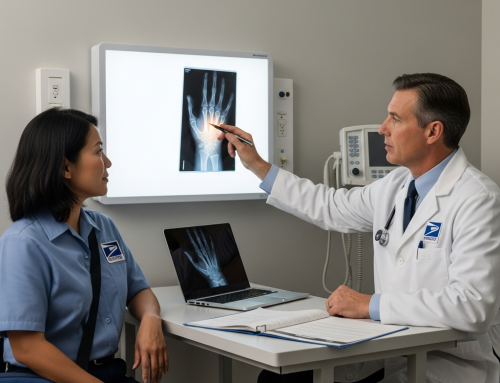
Your initial appointment will likely feel different from typical doctor visits. DOL-authorized physicians understand the workers’ compensation system inside and out, which means they’re not just looking at your symptoms – they’re documenting everything with your claim in mind. They’ll spend time understanding how your injury happened, how it’s affecting your daily life, and what kind of work restrictions you might need.
Don’t be surprised if the appointment runs longer than you expected. Good DOL doctors know that rushing through your case could hurt your claim later. They’ll want to hear your story in detail, examine you thoroughly, and sometimes order additional tests. It’s not unusual for that first visit to take 45 minutes to an hour.
Here’s something many people don’t realize: you might not get all your answers that day. I know, I know – you want solutions immediately. But complex injuries often require time to fully assess. Your doctor might need to review previous medical records, wait for test results, or even want to see how you respond to initial treatment before making definitive recommendations.
The Documentation Process (And Why It Matters)
This is where things get a bit… well, bureaucratic. Your DOL doctor will be creating detailed reports that become part of your official claim file. These reports can make or break your case, so don’t take this lightly.
You’ll notice your doctor asking very specific questions about your pain levels, functional limitations, and how the injury impacts your job duties. They might ask you to rate your pain on that familiar 1-to-10 scale multiple times during the visit. It might feel repetitive, but they’re building a comprehensive picture of your condition.
Actually, here’s a tip that might help: before your appointment, jot down how your injury affects specific tasks at work. Can you lift that 20-pound box? Sit for more than 30 minutes? Use a computer keyboard without pain? These concrete examples help your doctor write more effective reports.
Timeline Realities – Let’s Keep It Real
If you’re hoping for a quick resolution, I need to manage your expectations a bit. The DOL system, while designed to protect workers, isn’t known for its speed. After your initial evaluation, you’re looking at several weeks – sometimes months – before major decisions get made.
Your doctor will typically submit their initial report within a week or two of your visit. Then the DOL has to review it, your employer’s insurance might request additional information, and… well, you get the picture. It’s not uncommon for the entire process to take 2-4 months, especially if your case is complicated.
But here’s what you can control: staying engaged with your treatment and following through on your doctor’s recommendations. Missing appointments or ignoring treatment plans can seriously slow things down and potentially hurt your claim.
Potential Roadblocks (Because They Happen)
Sometimes your DOL doctor might determine that your condition isn’t work-related, or that you’ve reached maximum medical improvement sooner than you’d hoped. These aren’t necessarily permanent roadblocks, but they do complicate things.
You have the right to a second opinion, and in some cases, you might need to appeal decisions. This is where having a workers’ compensation attorney becomes invaluable – they can help you navigate these choppy waters and understand your options.
Moving Forward with Confidence
Remember, the DOL doctor system exists to protect you. Yes, it can feel slow and bureaucratic at times, but it’s designed to ensure you get fair treatment and proper compensation for legitimate work injuries.
Stay organized with your paperwork, be honest and thorough in your communications, and don’t be afraid to ask questions. Your health and your livelihood are on the line – you deserve clear answers and proper care.
Most importantly, trust the process while staying actively involved in your own care. The combination of a good DOL doctor and your commitment to treatment gives you the best chance of a positive outcome.
You know, navigating the world of Department of Labor doctors can feel overwhelming at first – like you’re wandering through a maze without a map. But here’s the thing: you’re not powerless in this process. Actually, you have more rights and options than most people realize.
The truth is, understanding your medical rights isn’t just about knowing the rules (though that’s important). It’s about recognizing that you deserve quality care, second opinions when something doesn’t feel right, and doctors who actually listen to your concerns. You shouldn’t have to settle for rushed appointments or feel like just another case number.
Your Health Matters Most
Remember that independent medical exam that felt more like an assembly line? Or that doctor who seemed to have already made up their mind before you even sat down? These experiences are frustrating, sure – but they’re also reminders that you need to be your own advocate. Because at the end of the day, this is your body, your pain, your recovery we’re talking about.
The good news? You’ve got options. Whether it’s requesting a different physician, understanding exactly what goes into those reports, or knowing when you can challenge findings that don’t match your reality… these aren’t just abstract rights. They’re practical tools you can actually use.
And let’s be honest – sometimes the system feels like it’s working against you rather than for you. Insurance companies have their interests, employers have theirs, and somewhere in the middle is you, trying to get better and get back to your life. But knowing your rights? That levels the playing field a bit.
You Don’t Have to Figure This Out Alone
Here’s what I’ve learned after years in this field: the people who do best aren’t necessarily those with the simplest cases or the most obvious injuries. They’re the ones who understand they don’t have to navigate this maze solo.
Maybe you’re dealing with a workers’ comp claim that’s dragging on forever. Or perhaps you’re facing an IME and you’re worried the doctor won’t take your symptoms seriously. Could be you’re just feeling lost in all the paperwork and medical jargon…
Whatever brought you here today, whatever questions are keeping you up at night – they’re valid. Your concerns matter. Your health matters.
The medical and legal landscape around DOL cases can be tricky to navigate, but you don’t have to do it blindfolded. Getting the right guidance early on can make all the difference between a frustrating experience and one where you actually feel heard and supported.
If you’re dealing with any of this right now, or if you just want to understand your options better before you need them, we’re here. Not to pressure you or sell you something you don’t need – just to help you understand what you’re dealing with and what your next steps might look like.
Because honestly? Everyone deserves to have someone in their corner who understands both the medical side and the system itself. Someone who can help translate all that complexity into actual, actionable information.
Ready to get some clarity on your situation? Give us a call. Let’s talk about what’s really going on and how we can help you move forward with confidence.