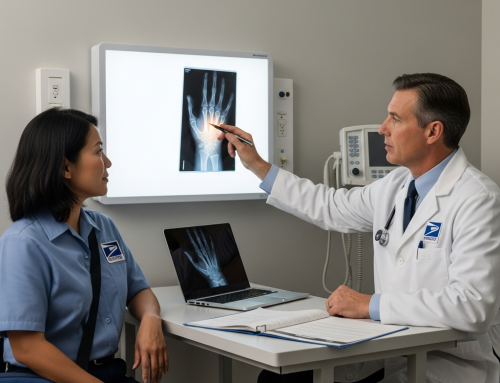
How OWCP Clinics Support Long-Term Injury Recovery
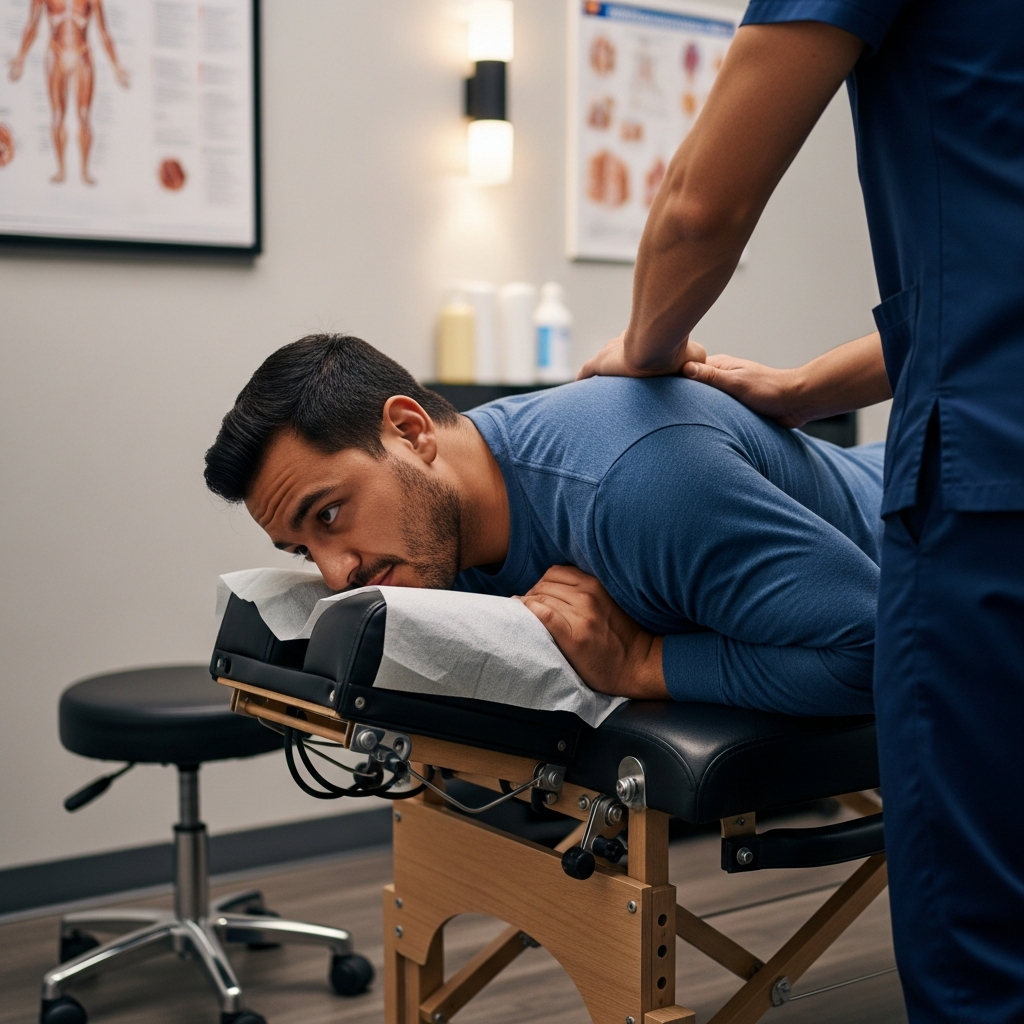
Picture this: It’s been four months since your workplace injury. You’ve seen your regular doctor a handful of times, gotten a prescription or two, maybe done a few weeks of physical therapy. On paper, you’re “being treated.” But something’s off. The pain isn’t really going away. You’re not sleeping well. You’re stuck in this frustrating in-between place – not healed enough to go back to work, but not sick enough that anyone seems particularly alarmed. And every time you ask “so… what’s the plan?” you get a vague answer that leaves you feeling more lost than before.
Sound familiar?
If you’ve been injured on the job and you’re navigating the Office of Workers’ Compensation Programs – OWCP for short – that scenario probably hits close to home. Because here’s the thing most people don’t realize until they’re already deep in the system: standard medical care and long-term injury recovery are two very different things. Getting stitched up, getting a diagnosis, getting a referral – that’s one kind of medicine. But rebuilding your body, your function, and your life after a serious workplace injury? That requires something more coordinated. More intentional.
That’s exactly where OWCP clinics come in.
Now, maybe you’ve heard the term thrown around and you’re not entirely sure what makes an OWCP clinic different from any other doctor’s office that accepts workers’ comp cases. Totally fair question. The difference is actually pretty significant – and understanding it might be one of the most important things you do for your recovery. Not in a dramatic, life-changing-revelation kind of way. Just in the practical, “oh, that’s why this matters” way that makes navigating a complicated system a little less exhausting.
Here’s the bigger picture. Workplace injuries – especially serious ones involving the spine, joints, nerves, or soft tissue – rarely follow a neat, linear path to recovery. Your body doesn’t read the six-week recovery timeline on the discharge paperwork. Complications happen. Secondary conditions develop. Pain becomes chronic. What started as a straightforward injury can quietly evolve into something much more complex, and if your care isn’t keeping up with that complexity… well, you end up exactly where we started. Stuck. Frustrated. In pain. Wondering if this is just how life is now.
It doesn’t have to be.
OWCP clinics are specifically structured to support the kind of long-term, coordinated care that complex workplace injuries actually demand. They understand the federal workers’ comp system from the inside – the documentation requirements, the authorization processes, the way claims move (or don’t move). They’re not just treating your injury in isolation. They’re treating you as someone who needs to get back to real life – whether that means returning to your job, finding modified duty, or simply regaining the quality of life the injury took from you.
Actually, that last part is worth sitting with for a second. Because a lot of injured workers feel – understandably – like the whole system is designed around getting you back to work as fast as possible, full stop. And yes, return-to-work is absolutely part of the goal. But legitimate recovery-focused care also recognizes that “back to work” isn’t meaningful if you’re white-knuckling through every shift in pain, or if you come back too soon and reinjure yourself three months later. Real recovery is sustainable. And sustainable recovery takes time, expertise, and a care team that’s actually paying attention.
In this article, we’re going to walk through exactly how OWCP clinics are built to support that process – from their specialized knowledge of federal compensation programs to their multidisciplinary approach to treatment, to the ways they help patients avoid the common pitfalls that derail long-term recovery. We’ll talk about what to look for, what to expect, and why the clinic you choose matters more than most people realize.
If you’re currently recovering from a workplace injury, fighting through a claims process, or trying to figure out why your recovery feels stalled – this is for you. Not as a legal guide (we’re not lawyers, and this isn’t legal advice), but as a plain-English explanation of how the right clinical support can genuinely change the trajectory of what happens next.
Because you deserve more than just being “treated.” You deserve to actually get better.
What OWCP Actually Means (And Why It Matters)
So let’s start with the basics, because honestly, the terminology alone can make your head spin. OWCP stands for the Office of Workers’ Compensation Programs – it’s the federal agency that manages workers’ compensation benefits for civilian federal employees. If you’re a postal worker, a federal law enforcement officer, a government administrator, or any number of other federal positions, OWCP is the system that’s supposed to have your back when a workplace injury sidelines you.
Think of it like this: OWCP is the umbrella, and underneath that umbrella are specialized clinics that understand how to navigate the rain. Not every medical provider knows how to work within the OWCP system – the documentation requirements, the billing codes, the treatment authorization process. It’s genuinely complicated. And that complexity is exactly why OWCP-experienced clinics exist.
The Difference Between Treatment and *Authorized* Treatment
Here’s something that trips people up constantly, and it’s not your fault for being confused by it – it’s a genuinely counterintuitive distinction. Getting treated for an injury and getting *covered* for that treatment are two completely different things in the OWCP world.
You might see your regular doctor, receive perfectly appropriate care, and still end up with denied claims – simply because the documentation didn’t align with OWCP’s specific requirements, or the provider wasn’t enrolled in the right system. It’s a bit like building a house with perfectly good materials but using the wrong blueprint. The work isn’t bad. It just doesn’t match what was approved.
OWCP clinics know the blueprint. They understand that every treatment plan needs to connect clearly back to your specific work-related injury, that progress notes need particular language, that certain procedures require pre-authorization. This isn’t bureaucracy for its own sake – well, some of it probably is – but most of it exists to create an accountable record of your recovery.
Long-Term Recovery Is Different From Acute Care
This is where things get really important to understand. There’s a meaningful difference between treating an injury in the short term and actually supporting someone through long-term recovery. Acute care is the emergency response – the immediate treatment after something goes wrong. Long-term recovery is everything that comes after, which is honestly where most of the hard work lives.
For federal workers dealing with chronic pain, permanent impairments, or injuries that require months of rehabilitation, the recovery road can stretch on much longer than anyone initially expects. A back injury sustained lifting mail bags. A repetitive stress injury from years at a keyboard. A slip and fall that seemed minor at first but cascaded into something much more serious. These aren’t situations that resolve in a few weeks.
Actually, that brings up something worth mentioning – injuries often look different six months in than they did at the start. What begins as a straightforward muscle strain can involve nerve complications, secondary conditions, even mental health impacts from chronic pain. A good OWCP clinic is prepared for that evolution, not just the initial presentation.
The Three Pillars of OWCP Recovery Support
Most effective OWCP clinics are built around three interconnected ideas, even if they don’t advertise it this way.
Medical documentation is the foundation – and this cannot be overstated. Every appointment, every finding, every recommendation needs to be captured in a way that supports your claim over time. Think of your medical record as the evidence file for your case. Gaps or vague language can genuinely undermine an otherwise legitimate claim.
Coordinated care is the second piece. Long-term recovery almost never involves just one provider. You might need your primary treating physician, a physical therapist, a specialist, maybe a pain management provider. When those people aren’t communicating – and in a fragmented healthcare system, they often aren’t – things fall through the cracks. OWCP clinics work to keep that coordination intentional.
Return-to-work planning rounds it out. This one surprises some people, because it’s not purely medical. But helping you get back to meaningful work – whether that’s your original position, a modified role, or a different capacity – is actually central to the OWCP mission. Recovery isn’t just physical healing. It’s functional restoration.
None of these three things happen automatically. They require a clinic that understands the system well enough to work *with* it rather than constantly bumping up against it.
Make the System Work *For* You, Not Against You
Here’s something most injured workers don’t realize until it’s too late – the OWCP system rewards people who are organized and persistent. It genuinely does. Your adjuster is managing hundreds of cases, and the ones that get attention are the ones with clear paper trails and consistent follow-through. So start a dedicated folder (physical or digital, doesn’t matter) and keep everything. Every form, every visit summary, every phone call logged with a date and name. You’ll thank yourself six months from now.
And don’t wait for your clinic to send you records. Request copies of your treatment notes after every single appointment. This isn’t being paranoid – it’s being smart. If there’s ever a dispute about your care or your progress, you want that documentation in your hands, not sitting in someone’s office.
Ask Your OWCP Clinic These Specific Questions
Most people walk into appointments passively, hoping the provider will just… handle everything. But your clinic team can advocate for you much more effectively when you’re engaged. At your next visit, try asking
– “What functional limitations are you documenting?” This matters enormously for your compensation level. If you’re struggling to lift, sit, or stand for extended periods, make sure that’s captured precisely – not vaguely. – “Is my treatment plan being submitted for re-authorization before it expires?” Authorization gaps can interrupt your care and create billing nightmares. – “Am I a candidate for a functional capacity evaluation?” An FCE creates an objective record of what you can and can’t do, which protects you if your employer pushes for early return-to-work.
Actually, that last point is worth lingering on. Return-to-work pressure is real, and it often comes before you’re truly ready. A good OWCP clinic will help you understand the difference between *medically cleared* and *actually recovered* – those aren’t always the same thing.
Don’t Skip the “Boring” Appointments
Physical therapy feels repetitive. Follow-up visits can feel pointless when you’re just doing the same exercises at home anyway. Skip a few, though, and you’ve created gaps in your attendance record that can – and do – get used to question your commitment to recovery, or worse, your credibility about your pain levels.
Consistency isn’t just good medicine. It’s documentation.
If you genuinely can’t make an appointment, call ahead and reschedule rather than just missing it. That one habit protects you more than people realize.
Work the Mental Health Piece Seriously
Chronic pain and work injuries are genuinely demoralizing. There’s the physical suffering, sure, but there’s also the identity stuff – feeling useless, worrying about money, wondering if you’ll ever feel normal again. OWCP does cover mental health treatment when it’s related to your injury, and a lot of people leave that benefit completely untouched.
If your clinic offers psychological services or can refer you to someone familiar with occupational injuries, take it. Not as a last resort. Early. The research on chronic pain is pretty unambiguous – psychological support improves physical recovery outcomes. That’s not a soft, feel-good finding. It’s in the hard data.
Track Your Symptoms Between Visits
Your provider sees you for 20 minutes every few weeks. They’re making treatment decisions based on snapshots. So help them see the full picture by keeping a simple symptom log – even just a few sentences on your phone each day. Note your pain levels, what activities you attempted, what made things better or worse.
Bring that log to appointments. Highlight patterns. This gives your provider something concrete to work with, and it gives *you* a clearer sense of whether you’re actually improving or just having good days and bad days that aren’t part of a trend.
Know Who to Call When Things Get Stuck
Sometimes authorizations stall. Sometimes a treatment gets denied. The system jams. When it does, your OWCP clinic’s billing or case management team is your first call – they deal with these snags constantly and often know exactly which lever to pull. If that doesn’t move things, a union representative (if you have one) or an OWCP-experienced attorney can be invaluable. Many offer free initial consultations, and they know the appeals process inside out.
Recovery is hard enough without fighting bureaucratic slowdowns alone. Know your resources before you need them.
When Progress Stalls (And It Will)
Here’s something nobody tells you upfront: recovery rarely moves in a straight line. You’ll have weeks where everything clicks – your pain is down, your mobility is improving, you’re feeling almost like yourself again. And then you’ll hit a wall. Maybe a flare-up, maybe a plateau, maybe just a Tuesday where nothing works the way it should.
That stalling feeling is genuinely demoralizing. It’s not weakness. It’s just… how healing works sometimes. The solution isn’t to push harder and hope for the best – it’s to communicate with your care team immediately when something shifts. OWCP clinics track your progress longitudinally, which means your providers can actually see where things changed and adjust the plan accordingly. Don’t wait for your next scheduled appointment if something feels wrong. Call.
The Paperwork Problem Is Real
Let’s be honest – the administrative side of OWCP care is brutal. Forms, authorizations, treatment approvals, claim numbers… it’s a system that can feel designed to exhaust you into giving up. And for some people, that exhaustion becomes its own barrier to getting the care they need.
A few things that genuinely help: Keep a dedicated folder – physical or digital, whatever works for you – for every single document related to your claim. Every letter, every approval, every denial. Denials especially. Many initial denials get overturned on appeal, but only if you respond within specific timeframes. Missing a deadline because you lost a letter is the kind of thing that sets recovery back by months.
Also? Ask your clinic’s case coordinator to be your translator. Good OWCP clinics have staff who deal with this bureaucracy every single day and know exactly what language an authorization request needs to use to get approved. That expertise is worth leaning on heavily.
When You’re Not Sure Anyone Actually Believes You
This one’s harder to talk about, but it matters. Some injured workers – particularly those dealing with chronic pain, psychological injuries, or conditions that don’t show up clearly on imaging – describe feeling like they have to constantly prove their suffering is real. To insurance adjusters, to employers, sometimes even to providers who seem skeptical.
If that’s your experience, you’re not imagining it. And it’s exhausting on top of already being injured.
The practical response is documentation. Consistent, specific, ongoing documentation of how your symptoms affect your daily functioning – not just pain scores, but what you can’t do. Can’t lift your child? Write it down. Can’t sleep more than three hours? Write it down. Over time, that record becomes powerful. It supports your providers’ clinical notes and tells the story of your recovery in human terms that raw data sometimes misses.
Find providers who listen. That sounds obvious, but it’s worth saying – OWCP care is something you’ll be navigating for potentially a long time, and a provider who dismisses your concerns is genuinely not compatible with successful long-term recovery. It’s okay to advocate for yourself.
The Mental Health Piece Gets Ignored Too Often
Chronic injury changes you psychologically. The loss of your normal routine, your identity tied to your work, your physical capabilities… that grief is real. Add financial stress, relationship strain, and the grinding uncertainty of an open claim, and it’s no wonder that anxiety and depression show up so frequently in injured workers.
Here’s what’s frustrating though – mental health treatment is often the last thing people think to address, even when it’s quietly undermining everything else. Physical therapy works better when your nervous system isn’t locked in a stress response. Sleep improves outcomes across the board. Mood affects pain perception in ways that are well-documented and significant.
If your treatment plan doesn’t include any support for the psychological dimensions of your injury, ask about it explicitly. OWCP does cover psychological treatment for workplace injuries when it’s appropriately documented. You don’t have to white-knuckle through that part alone.
Dealing with Delays in Authorization
Treatment delays due to slow authorizations are genuinely one of the most frustrating parts of this process – and they can cause real setbacks, especially when you’re in a critical window of healing. If you’re waiting more than a week or two on an authorization for something your doctor has clearly indicated is medically necessary, that’s the moment to escalate. Your provider’s office should be following up. Your case manager should be involved. Sometimes a phone call from the right person moves things that have been sitting on a desk for weeks.
Recovery is hard enough without fighting the system at every turn. Know that the delays aren’t a verdict on your case – they’re usually just bureaucratic friction, and friction can be pushed through.
What to Realistically Expect From Your Recovery
Here’s something nobody tells you when you’re sitting in that first appointment, paperwork still warm from the printer: recovery from a work-related injury is almost never linear. It’s not a smooth upward slope from “hurt” to “healed.” It’s more like… you know that stock market graph that makes financial advisors break out in a cold sweat? Two steps forward, one step back, a plateau, some unexpected progress, another plateau. That’s normal. That’s actually what healing looks like.
A good OWCP clinic is going to be honest with you about this, even when honesty isn’t what you were hoping to hear. If someone promises you a specific recovery timeline in your first few weeks, treat that with some healthy skepticism. The truth is, even experienced clinicians can only estimate – your body, your injury history, your overall health, and about a dozen other factors will ultimately write that timeline themselves.
The First Few Months: Laying Groundwork, Not Seeing Miracles
The early phase of treatment is often frustrating precisely because it doesn’t *look* like much is happening. You’re going to appointments. You’re doing the exercises. Maybe you’re taking medications or going through physical therapy. And you might feel like… not a lot is changing.
That doesn’t mean it’s not working.
What’s happening in the background is actually significant – your care team is gathering data, adjusting the treatment plan, identifying what’s responding and what isn’t. Think of it like troubleshooting a complicated problem. The first month or two is diagnostics. Real, visible progress often comes after that foundation is built.
Most patients with moderate soft tissue injuries start noticing meaningful improvement somewhere between six weeks and three months with consistent treatment. More complex injuries – fractures, nerve damage, surgical recoveries – those timelines stretch considerably longer. We’re sometimes talking six months to a year or more before someone is back to full function, if that’s even the end goal.
Understanding “Maximum Medical Improvement” (And Why It Matters)
At some point in your care, you’ll probably hear the phrase maximum medical improvement, or MMI. This is one of those clinical terms that can feel cold and clinical when you first encounter it, but it’s worth understanding.
MMI doesn’t necessarily mean you’re 100% better. It means your condition has stabilized to the point where further significant improvement isn’t expected – even with continued treatment. For some people, that’s a complete recovery. For others, it means managing a chronic condition as comfortably as possible.
Your OWCP clinic will document this milestone carefully, because it has real implications for your workers’ compensation case. The important thing to know is that reaching MMI isn’t a failure. It’s information. It helps your entire care team – and your case manager – make smarter decisions about what comes next for you.
Your Role in This Process (It’s Bigger Than You Think)
This is the part where we have to be real with you, maybe a little uncomfortably so. The clinic can build the best treatment plan in the world, but recovery genuinely requires your active participation. Showing up to appointments is the baseline. What moves the needle is doing the home exercises even when you don’t feel like it, communicating honestly when something isn’t working, and staying engaged with your care team rather than going quiet when you’re frustrated.
Frustration is going to come. Probably more than once. When it does, say something. A good OWCP clinic wants to hear that you’re not improving, that a certain therapy feels wrong, that life outside appointments is making compliance difficult. That feedback reshapes your plan. Silence just delays things.
Next Steps: Staying Connected to Your Care
If you’re just starting with an OWCP clinic, your most important next step is simple: go to your next appointment. And the one after that. Consistency really is the unglamorous secret here.
Ask your care team early on what milestones they’re watching for – what does progress look like at 30 days? At 90? Having those benchmarks helps you measure real movement rather than just watching the calendar.
And if you’re further along and feeling stuck, it might be worth requesting a care conference – a sit-down conversation with your treatment team to reassess where things stand. You don’t have to just wait and wonder. You’re allowed to ask questions. Actually, you should.
Recovery from a work injury is hard. But you don’t have to navigate it by guessing.
You Don’t Have to Figure This Out Alone
Here’s the thing about recovering from a workplace injury – it’s rarely as simple as resting up for a few weeks and getting back to your old routine. Real recovery, the kind that sticks, takes time. It takes the right support. And honestly? It takes a team of people who understand that you’re not just dealing with a physical injury. You’re dealing with paperwork, lost wages, uncertainty about your future, and sometimes a system that feels like it was designed to confuse you on purpose.
That’s a lot to carry.
What makes specialized OWCP care different isn’t just the clinical expertise – though that absolutely matters. It’s the fact that everyone in your corner understands the specific world you’re navigating. The documentation requirements, the treatment timelines, the way a poorly worded progress note can ripple out and affect your entire claim… these aren’t abstract concerns. They’re your daily reality. And having providers who genuinely get that changes everything.
Recovery isn’t linear either, and it’s okay to admit that. Some weeks you’ll feel like you’re making real progress. Others might feel like you’ve taken three steps back. That’s normal – frustratingly, stubbornly normal. The goal of long-term OWCP-focused care is to meet you wherever you are in that process, adjust when things aren’t working, and keep moving forward even when the pace feels slow.
Actually, that’s one thing people often don’t expect – how much the *coordination* piece matters. It’s not enough to just see a doctor. When your physician, your physical therapist, and your case documentation are all working together toward the same goal, you feel it. The care feels cohesive instead of scattered. You’re not repeating your story from scratch at every appointment or chasing down records that should have already been shared.
You deserve that kind of coordinated, attentive care. Not because it makes the process easier on paper – though it does – but because you’re a person who got hurt doing your job, and that matters.
Taking the Next Step
If you’ve been managing your recovery on your own, or if you’re stuck in a frustrating cycle of appointments that don’t seem to be moving the needle, reaching out to a clinic that specializes in OWCP cases might be the shift that changes things for you.
You don’t need to have everything figured out before you make that call. You don’t need to know exactly what questions to ask or worry about whether your case is “complicated enough” to warrant help. (Spoiler: if you’re asking that question, it probably is.) The right clinic will listen first, ask the right questions, and help you understand your options – with zero pressure.
We genuinely want to hear how you’re doing. Whether you’re early in your recovery, months in and feeling stuck, or just trying to understand what better support could look like – our team is here for a real conversation.
Reach out when you’re ready. There’s no wrong time to start getting the care you actually deserve.