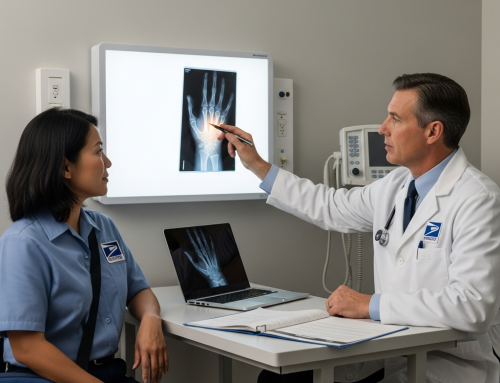
Highbridge OWCP Clinics: Approved Treatment Options

You know that moment when you’re lying awake at 2 AM, scrolling through yet another confusing government website, trying to figure out if your work injury actually qualifies for treatment? Your back’s been killing you since that incident at the warehouse three months ago, and you’ve got a stack of forms on your kitchen table that might as well be written in ancient Greek.
Here’s the thing – you’re not alone in feeling completely lost when it comes to OWCP (Office of Workers’ Compensation Programs) benefits. Most people think workers’ comp is straightforward until they actually need it. Then suddenly you’re navigating a maze of approved providers, treatment guidelines, and paperwork that makes filing taxes look like a fun weekend activity.
I’ve talked to hundreds of folks who’ve been exactly where you are right now. There’s Maria, who spent six weeks driving to three different doctors before realizing none of them were OWCP-approved. And then there’s James, who got his treatment authorized but had no idea what options were actually available to him beyond basic physical therapy. He missed out on months of potentially helpful treatments simply because… well, nobody told him they existed.
That’s where Highbridge OWCP clinics come into the picture, and honestly, it’s about time we had a real conversation about what they offer.
See, most people think OWCP treatment is limited to a few basic services – maybe some PT, possibly an MRI if you’re lucky. But the reality is far more comprehensive than that. We’re talking about a network of specialized providers who understand the unique challenges of workplace injuries, from repetitive stress disorders that creep up on you over years to sudden accidents that change everything in a split second.
The problem isn’t that good treatment options don’t exist – it’s that finding them feels like trying to solve a puzzle while blindfolded. You’ve got approved provider lists that read like phone books, treatment codes that make no sense, and medical professionals who may or may not understand the specific requirements of OWCP cases.
And let’s be honest about something else… time matters when you’re dealing with a work injury. Every day you spend confused about your options is another day you’re not getting the care you need. Your employer might be breathing down your neck about return-to-work timelines. Bills are probably piling up. The last thing you need is to waste weeks figuring out the system when you should be focusing on getting better.
That’s exactly why understanding your options at Highbridge OWCP clinics isn’t just helpful – it’s essential. These aren’t your typical medical facilities. They’re specifically designed to work within the federal workers’ compensation system, which means they speak the language, know the paperwork, and understand how to get things done efficiently.
But here’s what most people don’t realize: approved doesn’t just mean “we’ll take your OWCP case.” It means these clinics have met specific federal standards, maintain detailed reporting requirements, and often have direct relationships with OWCP administrators. In other words, they know how to navigate the system so you don’t have to become an expert in federal regulations just to get your shoulder fixed.
We’re going to walk through everything you need to know about what’s actually available to you. From traditional treatments you’d expect – physical therapy, diagnostic imaging, specialist consultations – to some options you might not have considered. Pain management programs that go way beyond just prescribing medication. Occupational therapy that’s specifically designed around getting you back to your actual job, not just general movement. Even alternative treatments that might surprise you with how effective they can be for workplace injuries.
You’ll also learn how to actually access these services without getting lost in bureaucratic quicksand. Because knowing what’s available doesn’t help much if you can’t figure out how to get it approved, scheduled, and covered properly.
Look, dealing with a work injury is stressful enough without having to become a workers’ comp expert overnight. But armed with the right information about your treatment options, you can make decisions that actually move you forward instead of keeping you stuck in that confusing limbo between injury and recovery.
So let’s cut through the confusion and get you the information you actually need…
What OWCP Actually Means (And Why It Matters)
The Office of Workers’ Compensation Programs – or OWCP for those of us who don’t have time to say all that – is basically the federal government’s way of taking care of employees who get hurt on the job. Think of it like your workplace’s insurance policy, except instead of covering your laptop when you drop it, it covers *you* when work literally breaks you.
Now here’s where it gets a bit… well, bureaucratic. OWCP doesn’t just let you waltz into any doctor’s office and send them the bill. They’ve got this whole approved provider network thing going on, kind of like your health insurance but with more paperwork and stricter rules. Highbridge clinics happen to be part of this exclusive club – which is actually fantastic news if you’re dealing with a work injury.
The Treatment Approval Dance
Here’s something that trips people up constantly: just because a treatment *exists* doesn’t mean OWCP will automatically approve it. It’s like being at a restaurant where they have a menu, but then the waiter tells you half the items aren’t actually available tonight.
OWCP operates on what they call “evidence-based medicine” – basically, they want proof that whatever treatment you’re getting actually works. Not just “my cousin’s neighbor tried it and felt better,” but real, scientific, peer-reviewed proof. Sometimes this feels frustrating when you’re in pain and just want to try *something*, but there’s actually solid reasoning behind it.
The approval process typically works in tiers. Conservative treatments first – think physical therapy, medications, injections. If those don’t work, then they might consider more intensive options like surgery. It’s not that they’re trying to be difficult (well, not entirely)… they’re following medical guidelines that suggest starting with less invasive approaches.
Why Location Matters More Than You’d Think
You might wonder why we’re specifically talking about Highbridge clinics. Well, geography plays a bigger role in workers’ comp than most people realize. OWCP has regional offices, and each region has its own network of approved providers. It’s not quite as random as it sounds – they’re trying to ensure you can actually *get* to your appointments without driving three states over.
Highbridge happens to serve a pretty densely populated area, which means they’ve got more treatment options available than, say, a rural clinic in Montana. More specialists, more equipment, more… everything, really. That translates to more approved treatment pathways for patients.
The Pre-Authorization Puzzle
Now here’s where things get genuinely confusing – even for people who work in this field. Some treatments need pre-authorization, others don’t. The logic isn’t always obvious.
Getting a basic X-ray? Usually no pre-auth needed. Want an MRI? Better get that approved first. Physical therapy? Depends on how many sessions and what type. Surgery? Definitely needs approval, and probably a second opinion too.
Actually, that reminds me – the second opinion requirement isn’t OWCP being paranoid. It’s more like… when you’re about to make a major purchase, you might ask a friend what they think. Except in this case, the “purchase” is surgery and the “friend” is another doctor.
What “Approved” Really Means
When we say a treatment is “approved,” we’re talking about a few different things rolled into one. First, the treatment itself has to be on OWCP’s list of acceptable medical interventions. Second, the provider has to be credentialed with OWCP. Third, the treatment has to be deemed medically necessary for your specific injury.
It’s like a three-way intersection where everything has to line up just right. The treatment works, the doctor’s qualified, and your injury actually needs that particular intervention. Miss any one of those, and you’re looking at denials and appeals and… well, headaches on top of whatever’s already hurting.
The Reality Check
Look, I’ll be honest – navigating OWCP approvals can feel like trying to solve a puzzle while blindfolded. The rules aren’t always intuitive, the paperwork is substantial, and sometimes what seems like an obvious treatment choice gets rejected for reasons that make perfect sense to bureaucrats and absolutely no sense to anyone else.
But here’s the thing: once you understand the system’s logic – and trust me, there *is* logic to it – things become much more manageable. Highbridge clinics have been working within this system long enough to know which treatments typically get approved quickly, which ones need extra documentation, and how to position your case for the best possible outcome.
Getting Your OWCP Claim Approved – The Inside Track
Look, I’ve seen too many people get their claims denied because they didn’t know the unwritten rules. The folks at Highbridge clinics? They get it – but you need to be smart about how you approach this whole process.
First thing – and this might sound obvious, but you’d be surprised – document everything. I mean everything. That pain in your lower back that started after lifting those boxes at work? Write it down with the date, time, what you were doing. Keep a daily pain journal if you have to. OWCP loves documentation more than a teenager loves their phone.
Here’s what most people don’t realize: your initial report sets the tone for your entire claim. If you say “my back feels a little sore” instead of “sharp, stabbing pain in my lumbar region that prevents me from performing my usual duties,” guess which one sounds like it needs medical attention? The devil’s in the details, and OWCP knows it.
Choosing the Right Provider Within Highbridge’s Network
Not all doctors are created equal when it comes to workers’ comp cases. Some physicians – and this is just reality – prefer to avoid the paperwork headache that comes with OWCP claims. Others? They specialize in occupational medicine and actually understand the system.
When you’re selecting a provider from Highbridge’s approved list, look for these green flags: board certification in occupational medicine, experience with federal workers’ compensation, and – this is huge – a track record of detailed medical reporting. A two-sentence medical report won’t cut it. You need someone who’ll paint the full picture of your condition.
Pro tip: before your first appointment, call the office and ask how familiar they are with OWCP procedures. If the receptionist sounds confused or says “we treat all kinds of insurance,” that might be a red flag. You want someone who speaks OWCP fluently.
Making the Most of Your Medical Appointments
This is where people often drop the ball. You’ve got maybe 15-20 minutes with your doctor – use them wisely. Don’t just say “everything hurts.” Be specific about
– When the pain is worst (mornings, after sitting, during specific work tasks) – What makes it better or worse – How it’s affecting your work performance and daily life – Any previous treatments you’ve tried
And here’s something most people miss… bring a written list. Seriously. When you’re in pain or stressed, your brain turns to mush. Having everything written down ensures you don’t walk out thinking, “Oh, I forgot to mention…”
Understanding Your Treatment Options
Highbridge clinics typically offer the full spectrum – physical therapy, chiropractic care, pain management, diagnostic imaging, even surgical consultations when necessary. But here’s the thing: OWCP follows a “conservative treatment first” philosophy.
That means they’ll want to see you’ve tried the less invasive options before approving anything more aggressive. Physical therapy before injections. Injections before surgery. It’s like climbing a ladder – you can’t skip rungs.
Don’t get frustrated if your doctor recommends starting with PT when you feel like you need something stronger. This isn’t them dismissing your pain – it’s them playing by OWCP’s rules so you can get the care you need without hitting bureaucratic roadblocks later.
The Paperwork Game (Yes, It’s Actually a Game)
Your doctor will need to file specific forms – CA-20 for initial treatment authorization, CA-17 for ongoing care. These aren’t just medical notes; they’re legal documents that justify your treatment to OWCP reviewers.
Make sure your provider includes
– Clear connection between your work duties and your injury – Specific functional limitations (can’t lift more than 10 pounds, can’t sit for longer than 30 minutes) – Detailed treatment plans with expected timelines – Regular progress notes that show improvement or explain why you need continued care
Planning for the Long Game
Workers’ comp cases aren’t sprints – they’re marathons. Even with approved providers like those in the Highbridge network, you might face periodic reviews, treatment authorizations that need renewal, or requests for independent medical exams.
Keep copies of everything. Set calendar reminders for important deadlines. And maintain that relationship with your treating physician – consistency in care providers makes your case stronger and your treatment more effective.
Remember, the goal isn’t just getting treatment approved… it’s getting back to the life you had before your injury. The right provider, proper documentation, and patience with the process will get you there.
The Paperwork Maze That Makes Your Head Spin
Let’s be honest – navigating OWCP paperwork feels like trying to solve a Rubik’s cube blindfolded. You’re already dealing with an injury, and now there’s this mountain of forms that seem designed by someone who clearly never had to fill them out while managing pain.
The biggest stumbling block? Form CA-16. This little piece of paper is your golden ticket to approved treatment, but here’s what nobody tells you – your supervisor has to sign it, and they might not understand the urgency. I’ve seen people wait weeks because their boss was “too busy” or didn’t realize this wasn’t just another routine form.
Here’s what actually works: Don’t just hand over the form and hope for the best. Schedule a brief meeting – even five minutes – to explain what you need and why it matters. Bring a copy of your doctor’s recommendations. Most supervisors aren’t trying to make your life difficult; they just don’t know what they don’t know.
When Your Doctor Doesn’t “Get” OWCP
This one’s frustrating as hell. You finally find a provider who seems great, only to discover they treat OWCP patients like they’re speaking a foreign language. Some doctors flat-out refuse OWCP cases (yeah, that’s a thing), while others agree but then seem perpetually confused about the process.
The reality? Not all medical providers understand federal workers’ comp. It’s not their fault, really – the system is genuinely complex, and they deal with dozens of different insurance types every day.
Your best bet is to ask upfront – before your first appointment – whether they’re experienced with OWCP cases. If they hesitate or sound uncertain, that’s your cue to keep looking. I know it’s tempting to stick with someone convenient or recommended by a friend, but trust me… you’ll save yourself massive headaches by finding someone who actually knows the ropes.
The Pre-Authorization Dance
Here’s where things get really fun (and by fun, I mean absolutely maddening). You need treatment, your doctor recommends it, but OWCP wants to review everything first. Meanwhile, you’re sitting there wondering if your condition is getting worse while everyone shuffles papers.
Physical therapy is usually pretty straightforward – most get approved without much fuss. But specialized treatments? MRIs? Surgery? That’s when the pre-auth process can drag on… and on… and on.
The trick is staying proactively involved. Don’t just assume your doctor’s office is handling everything. Call OWCP directly to check on status. Yes, you might spend some time on hold (bring a good book), but you’ll know exactly where things stand. And if something’s been sitting for weeks without movement? Politely but persistently ask what’s causing the delay.
Provider Networks That Feel Like Moving Targets
One day your doctor is approved, the next day they’re not. Or you need to see a specialist, but the only approved one is three hours away. It’s like the provider network has a mind of its own sometimes.
This is especially tricky with specialized care – pain management, orthopedics, certain types of therapy. The approved provider list can feel pretty thin, particularly if you’re in a smaller area or need very specific expertise.
Start building your provider network early, even before you need specialists. Ask your primary OWCP doctor for referrals within the approved network. They usually know who’s good and who actually understands the system. And here’s a tip nobody mentions – some excellent providers aren’t on the initial list you see online but can get approved quickly if they submit the right paperwork.
When Treatment Isn’t Working as Expected
This is the one that keeps people up at night. You’re doing everything right – following treatment plans, attending appointments, staying positive – but you’re not seeing the improvement you hoped for. Now what?
First off, this happens more often than you think. Healing isn’t linear, especially with work-related injuries that often involve repetitive stress or significant trauma. But here’s what matters – document everything. How you’re feeling, what’s working, what isn’t, side effects from medications… all of it.
Don’t suffer in silence or assume you just need to tough it out. If something isn’t working after a reasonable trial period, speak up. Your doctor can’t adjust your treatment if they don’t know what’s happening. And sometimes… sometimes you need a fresh perspective entirely. Getting a second opinion within the OWCP system is absolutely allowed – and often incredibly helpful.
The key thing to remember? You’re not just a case number. You’re a person dealing with real challenges, and you deserve treatment that actually helps you get better.
Setting Realistic Expectations for Your OWCP Treatment
Let’s talk about what you can actually expect – not the fantasy timeline you’re hoping for (trust me, we all want the magic bullet), but the real deal.
Most people walk into our clinic thinking they’ll be back to their old selves in a few weeks. And honestly? That’s understandable. You’re dealing with workers’ comp, you want to get back to work, and everyone’s asking when you’ll be “normal” again. But here’s the thing – healing doesn’t follow bureaucratic timelines.
Physical therapy typically takes 6-12 weeks to show meaningful progress, depending on your injury. Some folks see improvement in the first month, others need more time. Your body isn’t a machine you can just… fix and restart. It’s more like tending a garden – some things sprout quickly, others need patience.
Pain management? That’s often the trickiest part. We might try several approaches before finding what clicks for you. Could be medication, could be injections, might be a combination. What works for your coworker’s back injury might do absolutely nothing for yours. That’s not failure – that’s just how bodies work.
The Documentation Dance (Yes, There’s Paperwork)
Here’s what nobody warns you about: the paperwork doesn’t stop once treatment starts. Actually, it gets more detailed.
Every visit gets documented for OWCP. Every little improvement, every setback, every “how are you feeling today?” conversation. It might feel excessive, but this documentation is what keeps your benefits flowing and protects your treatment plan.
You’ll get progress reports every few weeks. Sometimes these feel overly clinical – reducing your daily reality to checkboxes and pain scales. But remember, this isn’t about minimizing your experience. It’s about speaking OWCP’s language so they keep approving your care.
When Progress Feels… Slow
Some days you’ll feel great. Other days? You’ll wonder if anything’s actually working. That’s completely normal – actually, it’s so normal that we warn everyone about it upfront.
Recovery isn’t a straight line. It’s more like… remember those old GPS systems that would recalculate constantly? Your body’s doing something similar. Two steps forward, one step back, sometimes a weird detour that doesn’t make sense until later.
Don’t panic if you have a rough week. Your treatment team has seen this before. We’re tracking longer-term trends, not day-to-day fluctuations. Though definitely speak up if something feels genuinely wrong or different.
Communication is Everything (Really, Everything)
Your treatment team needs to know what’s working and what isn’t. But here’s the tricky part – be honest without catastrophizing.
If the exercises are too painful, say so. If you’re not seeing any improvement after several weeks, mention it. If work is pressuring you to return too early, definitely bring that up. We can’t adjust what we don’t know about.
On the flip side… and this might sound harsh… don’t expect us to read your mind. “Fine” isn’t helpful feedback when we’re trying to fine-tune your treatment. Neither is “terrible” without specifics.
Planning Your Return to Work
This is where things get real. You might feel ready to return before you actually are. Or you might feel like you’ll never be ready when you’re actually pretty close.
Most workplace injuries require some kind of modified duty initially. Maybe lighter lifting, different positioning, adjusted hours. This isn’t admitting defeat – it’s smart recovery management. Pushing too hard too fast is how people end up back at square one… or worse.
We’ll work with your employer on realistic accommodations. Sometimes that goes smoothly, sometimes it doesn’t. If your workplace pushes back on medical recommendations, that’s not your fault or your problem to solve alone.
The Light at the End of the Tunnel
Look, I won’t lie to you – some people recover completely and feel better than ever. Others improve significantly but have to make some long-term adjustments. A few face ongoing challenges that require continued management.
What we can promise is this: we’ll use every approved resource available to get you as close to your goals as possible. We’ll document everything properly so your benefits stay secure. And we’ll be straight with you about what’s realistic and what isn’t.
Your recovery matters – not just to OWCP, not just to your employer, but to you getting your life back. That’s worth doing right, even if it takes longer than anyone wants.
You know what strikes me most about navigating the OWCP system? It’s that feeling of being caught between hope and frustration. One day you’re optimistic about a new treatment option, the next you’re drowning in paperwork or waiting for approvals that seem to take forever. And that’s completely normal – you’re dealing with both physical recovery AND a complex bureaucratic system. Anyone would feel overwhelmed.
But here’s what I want you to remember… you’re not alone in this. The approved treatment options we’ve covered – from physical therapy and pain management to specialized procedures and psychological support – these aren’t just checkboxes on a government form. They’re real pathways to getting your life back. Each one represents countless hours of research, clinical trials, and real people who’ve found relief.
The key is finding the right combination for YOUR situation. Maybe it’s starting with conservative treatments like physical therapy and gradually building up. Or perhaps your injury requires a more aggressive approach from the beginning. There’s no one-size-fits-all solution, and honestly? That’s okay. Your recovery doesn’t need to look like anyone else’s.
I’ve seen people get discouraged when the first treatment doesn’t work perfectly, or when the approval process takes longer than expected. But recovery – especially from work-related injuries – is rarely a straight line. It’s more like… well, think of it as taking a winding mountain road. You might hit some curves, maybe even need to backtrack occasionally, but you’re still moving toward your destination.
The most important thing is having the right team in your corner. A clinic that understands OWCP requirements inside and out can make all the difference between feeling lost and feeling supported. They know which treatments are likely to get approved quickly, how to document everything properly, and – perhaps most importantly – how to advocate for you when you need it most.
Your Highbridge OWCP clinic should feel like a partnership, not just another medical appointment. You should feel heard when you explain your pain levels, understood when you express concerns about returning to work, and supported when setbacks happen. Because they will happen – that’s part of the process.
If you’re reading this and feeling uncertain about your next steps, that’s completely understandable. Maybe you’re not sure which treatments to pursue, or you’re worried about navigating the approval process. Perhaps you’re dealing with a clinic that doesn’t quite “get it” when it comes to OWCP requirements.
Don’t settle for feeling stuck or unsupported. You deserve care that’s both excellent AND understands the unique challenges of workers’ compensation cases. If you’d like to talk through your options – whether you’re just starting your recovery or looking for better care – we’re here to listen. No pressure, no sales pitch… just real people who understand what you’re going through and want to help you find the right path forward.
Your recovery matters. You matter. And the right support is out there – sometimes you just need help finding it.