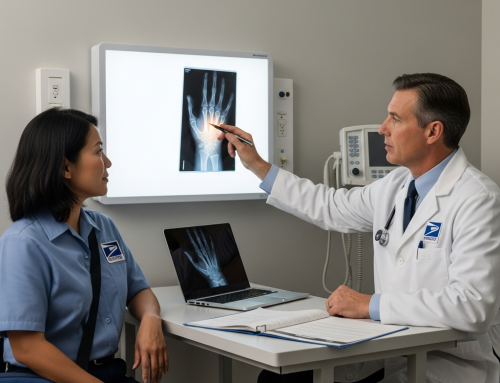
How DOL Work Comp Coordinates Medical Treatment

You’re rushing to catch a morning meeting when it happens – that split second where your foot catches the edge of a loose carpet tile, and suddenly you’re sprawling across the office floor like something out of a slapstick comedy. Except there’s nothing funny about the sharp pain shooting through your wrist as you instinctively throw your hands out to break the fall.
Fast forward three hours, and you’re sitting in an urgent care waiting room, still in your wrinkled work clothes, wondering who’s supposed to pay for this X-ray. Your manager mentioned something about workers’ comp when you called to explain why you missed the meeting, but honestly? You were too embarrassed and in too much pain to really listen. Now you’re staring at insurance cards, trying to figure out if you should use your regular health insurance or… wait, what exactly *is* workers’ compensation again?
Here’s the thing – most of us go through our entire careers hoping we’ll never need to understand how work injury benefits actually work. It’s like keeping jumper cables in your trunk… you’d rather never use them, but when you need them, you *really* need them to work properly.
And that’s where things get complicated, because workers’ compensation isn’t just about cutting you a check when you get hurt on the job. It’s this intricate system designed to coordinate your entire medical treatment – from that initial urgent care visit all the way through potential surgery, physical therapy, and getting you back to work. The Department of Labor plays a fascinating role in making sure this coordination actually happens the way it’s supposed to.
But here’s what nobody tells you until you’re living it: the coordination part can feel less like a well-oiled machine and more like… well, like trying to conduct an orchestra where half the musicians are reading different sheet music. You’ve got your employer, the insurance company, your doctors, case managers, and various government agencies all supposedly working together to get you better. Sometimes it works beautifully. Sometimes it’s a hot mess that leaves you bouncing between phone calls and wondering if anyone actually knows what’s going on.
I’ve watched too many people get lost in this system – smart, capable people who suddenly find themselves drowning in acronyms (IME, FCE, MMI – seriously, who comes up with these things?), dealing with doctors they’ve never met, and trying to navigate treatment plans that seem to change every week. It’s particularly frustrating when you’re already dealing with pain, maybe missing work, and just wanting someone to tell you exactly what happens next.
That’s exactly why understanding how the DOL coordinates medical treatment matters so much. Because when you know how the system is *supposed* to work, you’re not just hoping for the best – you’re actually able to advocate for yourself. You know which questions to ask, which deadlines matter, and when something isn’t going according to plan.
Think of it this way: if workers’ comp medical treatment is like a recipe, then the DOL’s coordination role is like having a really good sous chef who makes sure all the ingredients show up at the right time, in the right order, prepared the right way. Without that coordination, you might end up with all the right components but somehow still end up with a disaster.
Throughout this conversation, we’re going to walk through exactly how this coordination actually works in practice – not just the official procedures (though those matter), but the real-world stuff that affects your day-to-day experience. We’ll talk about what happens behind the scenes when your case manager schedules that appointment, why certain approvals take forever while others happen quickly, and what you can do when things start going sideways.
More importantly, we’ll cover what this means for you personally. Because understanding the system isn’t just academic – it’s about getting the treatment you need, when you need it, without unnecessary delays or roadblocks. It’s about knowing your rights and responsibilities, and having realistic expectations about timelines and processes.
Ready to demystify this whole thing? Let’s dig in…
What Actually Happens When You Get Hurt at Work
Picture this: you’re lifting a box at work and suddenly your back decides to stage a revolt. One moment you’re fine, the next you’re wondering if you’ll ever walk normally again. That’s where workers’ compensation steps in – think of it as your workplace safety net, but one that’s been designed by committee and runs on bureaucracy.
Workers’ comp isn’t just insurance… it’s a whole ecosystem. And like any ecosystem, it has predators, prey, and a lot of organisms trying to figure out how to coexist without destroying each other.
The Department of Labor (DOL) doesn’t actually *run* workers’ comp – that’d be too simple. Instead, they’re more like the referee in a game where half the players don’t know the rules. Each state has its own workers’ comp system, and the DOL helps oversee federal employees and certain interstate situations. It’s… well, it’s complicated. Actually, scratch that – it’s unnecessarily complicated.
The Players in This Medical Drama
When you get injured at work, suddenly everyone becomes very interested in your wellbeing. Your employer, their insurance company, state regulators, medical providers, and yes – sometimes the DOL. It’s like having a medical condition that requires a village, except the village can’t agree on who’s paying for what.
Your employer’s workers’ comp insurance becomes the gatekeeper for your medical care. They’re not evil (usually), but they’re definitely not your grandmother either. They want you better, but they also want to control costs. These competing interests create… let’s call them “creative tensions” in how your treatment gets managed.
The DOL’s role? They’re watching to make sure everyone plays by the rules. Think of them as the hall monitor who occasionally writes people up for running in the corridors.
How Medical Treatment Gets the Green Light (Or Red Light)
Here’s where things get genuinely weird. When you’re sick normally, you call your doctor, make an appointment, and show up. Workers’ comp flips this on its head – suddenly your medical care needs permission slips.
The insurance company (or their designated medical management company – because why have one middleman when you can have three?) reviews treatment requests. Sometimes they approve things quickly. Sometimes they take their sweet time. Sometimes they say no to things that seem obvious.
It’s not necessarily malicious – they’re trying to ensure treatments are “reasonable and necessary.” But their definition of reasonable might differ from yours when you can’t sleep because your shoulder feels like it’s on fire.
The Prior Authorization Dance
Most workers’ comp systems require something called prior authorization for anything beyond basic initial care. It’s like needing your parent’s permission slip for every field trip, except you’re an adult and the field trip is getting an MRI for your potentially torn meniscus.
Your doctor submits a request explaining why you need the treatment. The insurance company’s medical reviewers (who may or may not have treated patients recently – or ever) decide if they agree. Sometimes they approve it. Sometimes they want more information. Sometimes they suggest alternatives that cost less.
The DOL monitors this process to ensure it’s not unreasonably delayed or denied, but… defining “unreasonable” turns out to be trickier than you’d think.
When Medical Networks Enter the Picture
Many workers’ comp systems steer you toward specific doctors or medical networks. On paper, this makes sense – these providers understand workers’ comp rules and (theoretically) provide efficient care. In practice? Well, sometimes you get excellent care from doctors who really understand occupational injuries. Sometimes you feel like you’re on a medical assembly line.
The network doctors know how to navigate the authorization process, which can actually speed things up. But you might wonder if they’re more focused on getting you back to work than getting you completely better. (Spoiler: sometimes they are.)
The Return-to-Work Pressure Cooker
Here’s something that catches people off guard – workers’ comp has a serious obsession with getting you back to work. Not necessarily 100% healed, but functional enough to do *something* productive. This isn’t necessarily bad… but it can feel rushed when you’re still limping.
The DOL watches for situations where people are pushed back too early or into inappropriate work, but the pressure to return is built into the system’s DNA. After all, the faster you’re back to work, the less the insurance company pays in benefits.
This creates interesting dynamics in your medical treatment – every appointment has an underlying question of “when can they work again?” hovering in the background.
Getting Your Treatment Pre-Approved (Before You Need It)
Here’s something most people don’t realize – you can actually get certain treatments pre-approved before an injury even happens. Smart employers work with their work comp carriers to establish treatment protocols for common workplace injuries. If you’re in HR or safety, push for this. It’s like having a fast-pass at the theme park… except the theme park is your medical care.
When you do need treatment, don’t just show up at any doctor’s office. Call the work comp carrier first – I know, it’s a pain – but that five-minute call can save you weeks of paperwork headaches. Get the claim number, the adjuster’s name, and ask specifically which medical providers are in their network. Write this stuff down. Seriously, your future stressed-out self will thank you.
The Magic Words That Actually Work
When you’re talking to adjusters, case managers, or medical offices, certain phrases carry more weight than others. Instead of saying “I’m in pain,” try “I’m experiencing functional limitations that prevent me from performing my essential job duties.” See the difference? The first sounds subjective; the second sounds like something that needs immediate attention.
Also – and this might sound manipulative, but it’s just being strategic – always mention how the injury affects your ability to work. Work comp exists to get you back to work, so frame everything in those terms. “This back pain makes it impossible for me to lift the required 25 pounds” hits differently than “My back hurts.”
Building Your Paper Trail Like a Pro
Document everything. I mean everything. That casual conversation with the adjuster? Follow up with an email: “Thanks for our call today. Just to confirm, you approved the MRI for next Thursday, and I should expect authorization by Wednesday.” Boom – now it’s in writing.
Keep a simple notebook (or use your phone’s notes app) with dates, times, and who you spoke with. Include their direct phone numbers when you can get them. Trust me, when you need to escalate something three weeks later, having “spoke with Jennifer at ext. 4429 on March 15th” is pure gold.
Take photos of everything – your injury, the accident scene if possible, even your prescription bottles. I know it feels weird, but photos don’t lie and memories fade.
Working the System When Things Get Stuck
Sometimes treatment gets denied or delayed. Don’t just accept it and suffer in silence. First, ask for the denial in writing – they have to provide their reasoning. Often, it’s something simple like missing paperwork or the wrong diagnostic code.
If your primary treating physician isn’t getting results, you can usually request a second opinion. The key phrase here is “independent medical examination” or IME. Yes, insurance companies hate paying for these… which is exactly why they sometimes work.
Here’s an insider tip: if you’re getting pushback on expensive treatments like surgery or extensive physical therapy, ask your doctor to frame it in terms of “return to work” goals. A $15,000 surgery that gets you back to your $50,000-a-year job? That’s good math for the insurance company.
Navigating the Maze of Multiple Providers
When you’re seeing multiple doctors – say, an orthopedist, a physical therapist, and maybe a pain specialist – communication between them can be… let’s call it challenging. Don’t assume they’re talking to each other. They’re probably not.
Bring copies of recent test results to every appointment. Keep a simple list of all your providers with their contact info. When Dr. A recommends something, mention it to Dr. B. Sometimes you’ll be the only communication link between your medical team.
And here’s something nobody tells you – you can often speed things up by having your primary treating physician coordinate with specialists directly, rather than going through the insurance company every time. It’s like having someone who speaks the language making the calls for you.
The Nuclear Option: When Nothing Else Works
If you’re truly stuck and your medical care is being unreasonably denied or delayed, most states have ombudsman programs or workers’ compensation boards that can intervene. This isn’t your first move – it’s your last resort when everything else has failed.
But before you go nuclear, try one more thing: ask to speak with a supervisor or case manager’s manager. Sometimes the person you’ve been dealing with simply doesn’t have the authority to approve what you need. Going up one level might be all it takes.
When Forms Feel Like a Full-Time Job
You know that sinking feeling when you open your mailbox and there’s *another* form from the workers’ comp carrier? Yeah, we’ve all been there. The paperwork alone can feel overwhelming – and honestly, it’s designed by people who’ve never had to fill it out while dealing with chronic pain and brain fog.
Here’s the thing that trips up most people: every carrier has slightly different forms, even though they’re asking for basically the same information. One wants your injury described in medical terms, another wants it in plain English, and a third wants both… on separate pages. It’s like they’re speaking different languages, and you’re stuck being the translator.
The solution isn’t pretty, but it works – create a master document on your phone or computer with all your key information. Date of injury, claim number, treating physicians’ contact info, medication list, the whole nine yards. When a new form shows up, you’re not starting from scratch or trying to remember if Dr. Martinez’s office number was 555-0123 or 555-0132.
The Authorization Dance (And Why It Takes Forever)
Let me paint you a picture: your doctor wants to order an MRI. Sounds simple, right? But in the DOL workers’ comp world, that MRI request goes on what I call the “authorization odyssey.”
First, your doctor’s office submits the request. Then it sits in someone’s inbox for a few days. Then it gets reviewed by someone who may or may not understand why you need it. Sometimes it gets approved. Sometimes it gets sent back for “additional information” – which usually means they want your doctor to explain why ice packs and ibuprofen haven’t magically healed your herniated disc.
This process can take anywhere from a week to… well, let’s just say some people have grown entire beards waiting for approval. And here’s what nobody tells you – you can actually ask for a status update. Most people just wait and suffer in silence, but you have the right to call and ask where your authorization stands. Be polite but persistent. The squeaky wheel really does get the grease here.
Provider Networks That Make No Sense
Here’s something that’ll make you want to throw your phone across the room – finding an in-network provider who actually knows how to handle DOL cases. The online directories are about as reliable as a chocolate teapot, listing doctors who retired in 2019 or specialists who don’t take workers’ comp cases anymore.
I’ve seen people drive two hours each way to see a provider, only to find out that doctor doesn’t actually accept their specific carrier. It’s maddening, and it happens more often than it should.
Your best bet? Call the provider’s office directly before scheduling anything. Don’t just ask if they take workers’ comp – ask if they specifically work with your carrier for DOL cases. It’s an extra step that feels unnecessary (because it is), but it’ll save you time, gas money, and a whole lot of frustration.
When Treatments Get Denied (Because They Will)
Let’s be real for a minute – treatment denials are going to happen. Sometimes it’s because the paperwork wasn’t filled out correctly. Sometimes it’s because the insurance company’s computer system flagged something weird. And sometimes… well, sometimes it feels like they’re just saying no to see if you’ll give up.
The key thing to remember is that a denial isn’t necessarily the end of the story. Most carriers have an appeals process, though they don’t exactly advertise this fact. If your doctor thinks a treatment is medically necessary and it gets denied, ask about filing an appeal. Your doctor’s office usually handles this, but you might need to nudge them – they’re dealing with dozens of patients and multiple insurance carriers, so things fall through the cracks.
Communication Breakdowns (The Real Problem)
You know what causes most of these headaches? Nobody talks to anybody else. Your doctor’s office doesn’t communicate with the insurance carrier. The insurance carrier doesn’t keep your employer in the loop. Your employer’s HR department operates in a completely different universe. It’s like a game of telephone where everyone’s speaking different languages.
The uncomfortable truth is that you often have to become the coordinator yourself. Keep notes on who you’ve talked to and when. Follow up on promised callbacks that never come. It’s not fair that you have to do this while you’re injured and dealing with pain, but it’s reality.
And here’s something that might help – most carriers assign you a case manager. If you don’t know who yours is, find out. Having one person’s direct number can cut through so much red tape it’s almost magical.
What to Expect After Filing Your Claim
Here’s the thing – workers’ comp cases don’t move at lightning speed, and that’s actually normal. I know it’s frustrating when you’re dealing with an injury and just want answers, but the system has its own rhythm.
Most claims get an initial response within 14-21 days. That doesn’t mean everything’s resolved – just that they’ve acknowledged your claim and started the process. Think of it like ordering something online… you get that confirmation email pretty quickly, but the actual delivery? That takes time.
During those first few weeks, you might feel like you’re in limbo. The insurance company is reviewing your case, possibly requesting medical records, maybe even having their own doctor review your file. It’s not personal – it’s just how the system works. They need to understand what happened and what treatment you’ll need.
The Medical Treatment Authorization Dance
Once your claim is accepted (and honestly, most legitimate workplace injuries are), getting treatment authorized becomes the next hurdle. This is where things can get… well, interesting.
Your doctor submits treatment requests to the insurance company. Sometimes these get approved quickly – within a few days. Other times, especially for more expensive treatments like MRIs or physical therapy, they might want a second opinion or more documentation.
I’ve seen cases where a simple prescription gets approved in 24 hours, and others where getting approval for specialized treatment takes weeks. The key is staying on top of it – don’t assume no news is good news.
Pro tip: Keep a simple log of what you’ve requested and when. Just a basic note on your phone works. “Requested PT approval on March 15th” – that kind of thing. You’d be surprised how often these requests get lost in the shuffle.
When Things Don’t Go Smoothly
Let’s be real – sometimes the system hiccups. Claims get denied, treatment requests sit in someone’s inbox, or there’s confusion about what’s covered. This happens more often than anyone likes to admit.
If your claim gets denied, don’t panic. You have appeal rights, and honestly? A lot of initial denials get overturned on appeal. The insurance company might have missed something or made an error in their review.
The appeals process typically takes 30-60 days, sometimes longer if it’s complex. I know that sounds like forever when you’re in pain, but appeals are thorough for a reason. They’re reviewing everything – your medical records, the incident report, witness statements if there are any.
Your Role in the Process
You’re not just sitting on the sidelines here. There are things you can do to keep your case moving forward
Stay in touch with your doctor’s office. Ask when they’re submitting authorization requests and follow up if you don’t hear back. Medical offices are busy places – sometimes things slip through the cracks.
Keep all your appointments. Missing appointments can raise red flags with the insurance company. They might wonder if you’re really as injured as you claim. Life happens, sure, but try to reschedule rather than just not showing up.
Document everything. Take photos of visible injuries, keep copies of all paperwork, save emails. You don’t need to be obsessive about it, but having a paper trail helps if questions come up later.
The Reality Check on Recovery Timelines
Here’s something nobody really talks about – recovery often takes longer than anyone initially expects. That “few weeks” estimate your doctor gave you? It might turn into a few months. Bodies heal on their own timeline, not ours.
The workers’ comp system generally understands this, but it can create anxiety when you’re off work longer than planned. Most states allow for extended treatment if it’s medically necessary… the key word being “necessary.”
Your doctor will need to justify ongoing treatment with documentation showing you’re making progress or explaining why additional care is needed. It’s not about dragging things out – it’s about getting you back to where you were before the injury.
Looking Ahead
Eventually – and I know “eventually” isn’t very helpful when you want specifics – you’ll reach what’s called “maximum medical improvement.” That’s when additional treatment isn’t expected to significantly improve your condition.
This doesn’t necessarily mean you’re 100% better. Sometimes injuries leave lasting effects, and that’s where discussions about permanent disability or vocational rehabilitation might come into play. But honestly? Most people do get back to work and back to their normal activities.
The process isn’t perfect, and it definitely isn’t fast. But it’s designed to make sure you get the care you need without jumping through unnecessary hoops… even if it doesn’t always feel that way.
You know, when you’re dealing with a work injury, it can feel like you’re swimming upstream against a current of paperwork, approvals, and conflicting advice. One day you’re focused on getting better, the next you’re wondering if your treatment will even be covered… It’s exhausting, honestly.
But here’s what I want you to remember – and this is important – you have rights in this process. The Department of Labor’s coordination with workers’ compensation isn’t some mysterious bureaucratic maze designed to make your life harder. It’s actually there to protect you, to ensure you get the medical care you need without falling through the cracks.
Your Treatment Plan Matters
When DOL gets involved in coordinating your medical treatment, they’re essentially becoming your advocate in ways you might not even realize. They’re making sure that approved healthcare providers understand the specific requirements of work comp cases, that your treatment plan makes sense both medically and financially, and that you’re not getting bounced around between different systems.
Sure, there are hoops to jump through – pre-authorizations, second opinions, periodic reviews. Sometimes it feels like you’re explaining your injury for the hundredth time to yet another person who’s never met you. But these processes? They’re actually working to prevent the kind of nightmare scenarios where injured workers get stuck with massive medical bills or can’t access the specialists they need.
When Things Get Complicated
Look, I won’t sugarcoat it – there are times when the coordination between DOL and your medical team hits snags. Maybe a treatment gets delayed while they sort out coverage details, or you need to see a different doctor than the one you prefer. These frustrations are real, and they matter.
But what I’ve seen over and over again is that when people understand how the system works – when they know what questions to ask and what their options are – they navigate these challenges so much more effectively. You’re not powerless here. You can request information about your case status, ask for explanations of decisions, and yes… you can advocate for yourself.
Moving Forward With Confidence
The truth is, most work injury cases move through the DOL coordination process without major drama. Your medical team submits the necessary documentation, approvals come through, and you get the treatment you need. It’s the complicated cases that tend to stick in our minds (and create the horror stories you might have heard).
What matters most is that you stay engaged with your treatment plan, keep track of important dates and deadlines, and don’t hesitate to ask questions when something doesn’t make sense. Your health is the priority here – everything else is just logistics.
If you’re feeling overwhelmed by the coordination process, or if you’re not sure whether your current treatment plan is giving you the support you need for both your injury recovery AND your overall wellness goals, we’re here to help. Our team understands how work comp cases interact with comprehensive health plans, and we can work with your existing providers to make sure nothing falls through the cracks.
Ready to take control of your health journey? Give us a call. Sometimes having someone in your corner who speaks both “medical” and “workers comp” can make all the difference. You deserve to heal completely – not just get back to work.